On Sept. 19, 2025, President Donald J. Trump signed a proclamation that requires a $100,000 fee for employers on future H-1B visa applications, according to the U.S. Citizenship and Immigration Services. The H-1B program allows employers to hire skilled, non-immigrant workers from foreign countries who hold a bachelor’s degree or higher, according to Forbes.
This announcement was met with various reactions from students. “Initially I thought it was maybe a hoax, or you know sometimes there’s these Instagram posts that are just out of nowhere,” said Hassan Shah, an international senior studying computer science and applied mathematics at Whitworth University, “ … but then it was real.”
There has been concern surrounding this new policy, especially on college campuses such as Whitworth University. There is uncertainty about how this policy will impact international students’ abilities to get employment once they graduate. “It has totally shifted my whole approach to post-graduation planning,” said Shah.
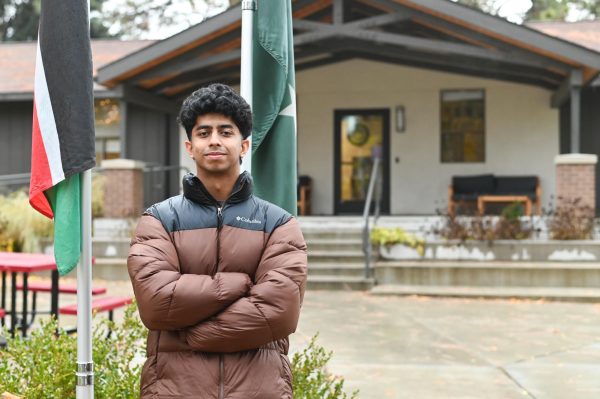
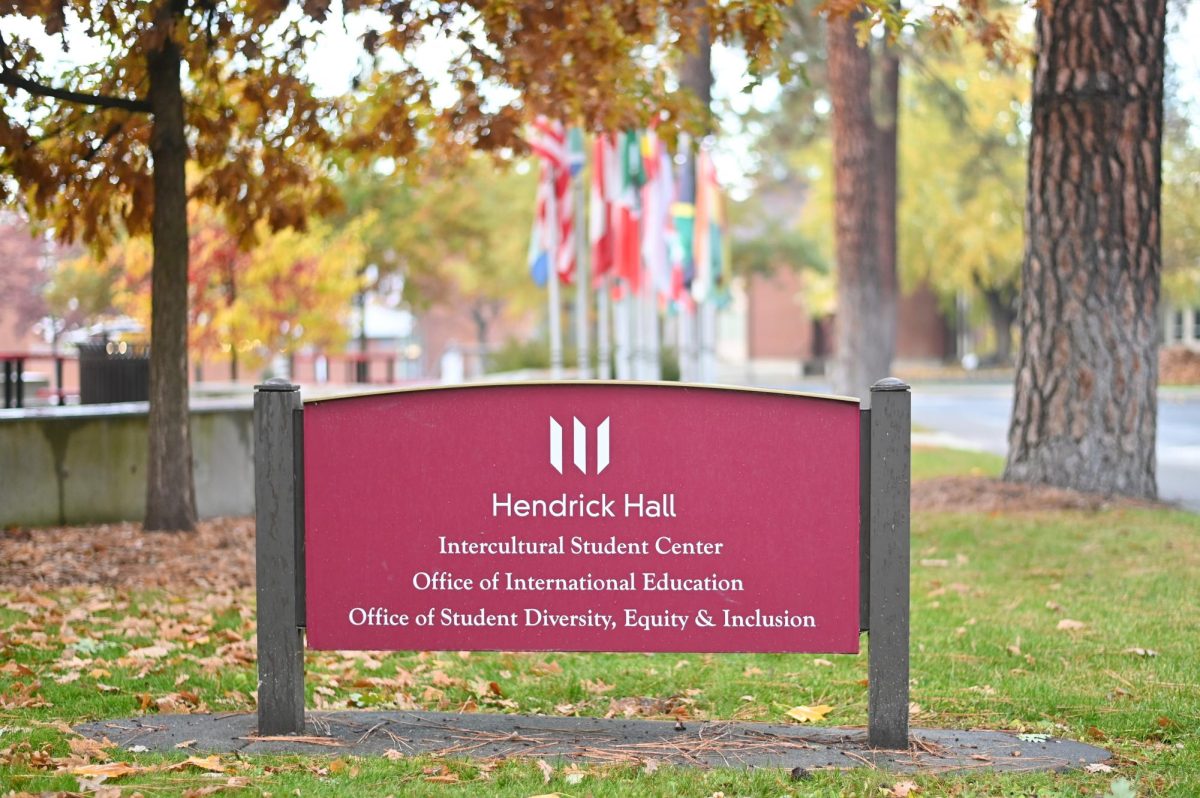
After the news was announced, the International Student Center’s Cultural Diversity Advocates (CDA) and International Student Senator for the Associated Students of Whitworth University (ASWU) and Nina Susin, had a meeting to discuss the policy and how to address the impact on campus. “Our main concern at first was … we didn’t want rumors to scare people,” said Susin.
If students had questions or concerns about the proclamation, they were directed to faculty such as Nick McKinney, the assistant provost of academic administration and global affairs, or Kendra Guttridge, the Multicultural Leadership Program (MLP) coordinator.
Another resource for information is Trina Allen, the associate director of international admissions. International enrollment this year declined, and Susin and Shah expressed concern that this trend will continue in the future.
Allen has a different perspective on this issue. “I don’t believe this fee initiative will impact undergraduate enrollment as much as the measures implemented in late spring did,” said Allen, “I hope to have the opportunity to clarify with prospective students and families about the initiative so that students are well informed about their options.”
Allen explains that master’s students and doctoral graduates are most likely to see the effects of this new initiative as they enter the workforce. First and second-year undergraduates are not directly impacted currently. “They have years until the H1-B is something they may consider … and by then, the deciding bodies may change or remove this particular fee initiative,” said Allen.
These constant changes, uncertainty surrounding this policy’s future and its impact on students can be difficult to imagine. “You never know what’s happening,” said Susin, “It’s frustrating, it’s scary because every day things keep changing, and you never know what’s going to affect you, what’s not going to affect you.”
If students have questions or concerns about how they are impacted by the H-1B program fee or if they want to learn more about it, Allen encourages them to reach out to her, faculty in the International Student Center (ISC), or to student leaders such as Susin.
“I’m always available to do whatever I can to help people,” said Susin.