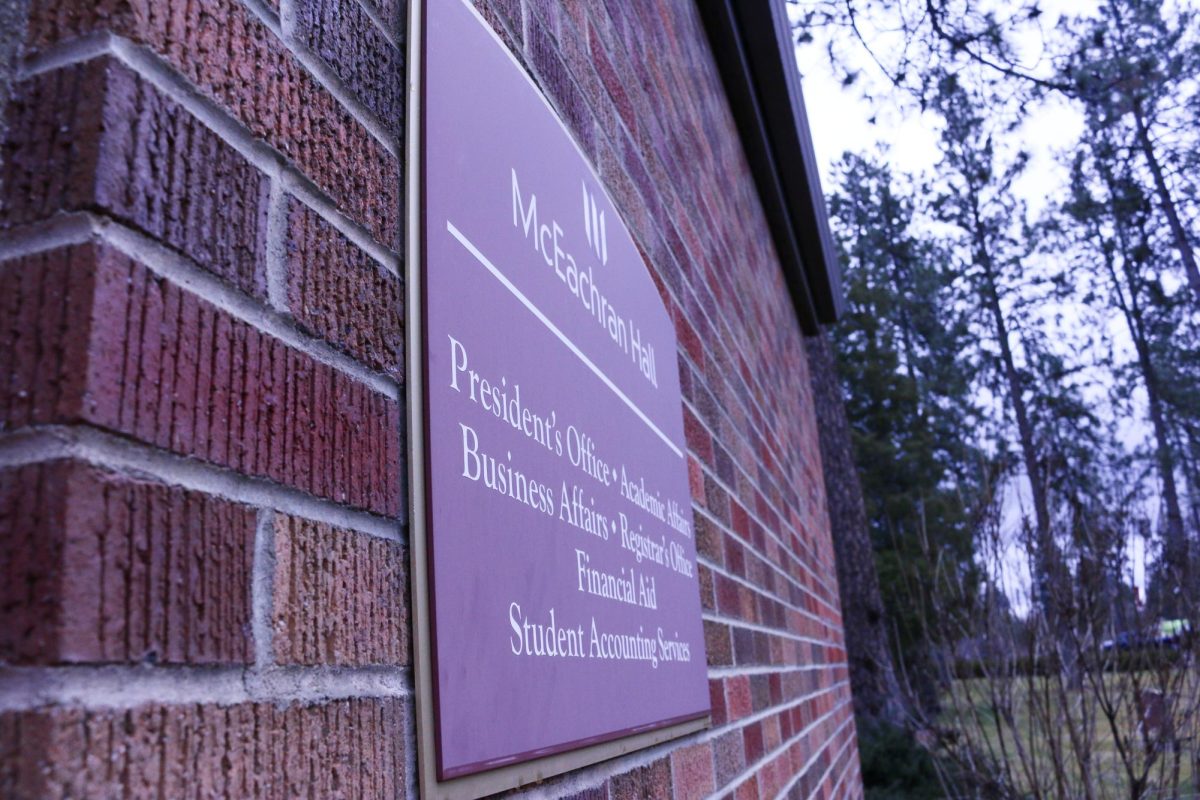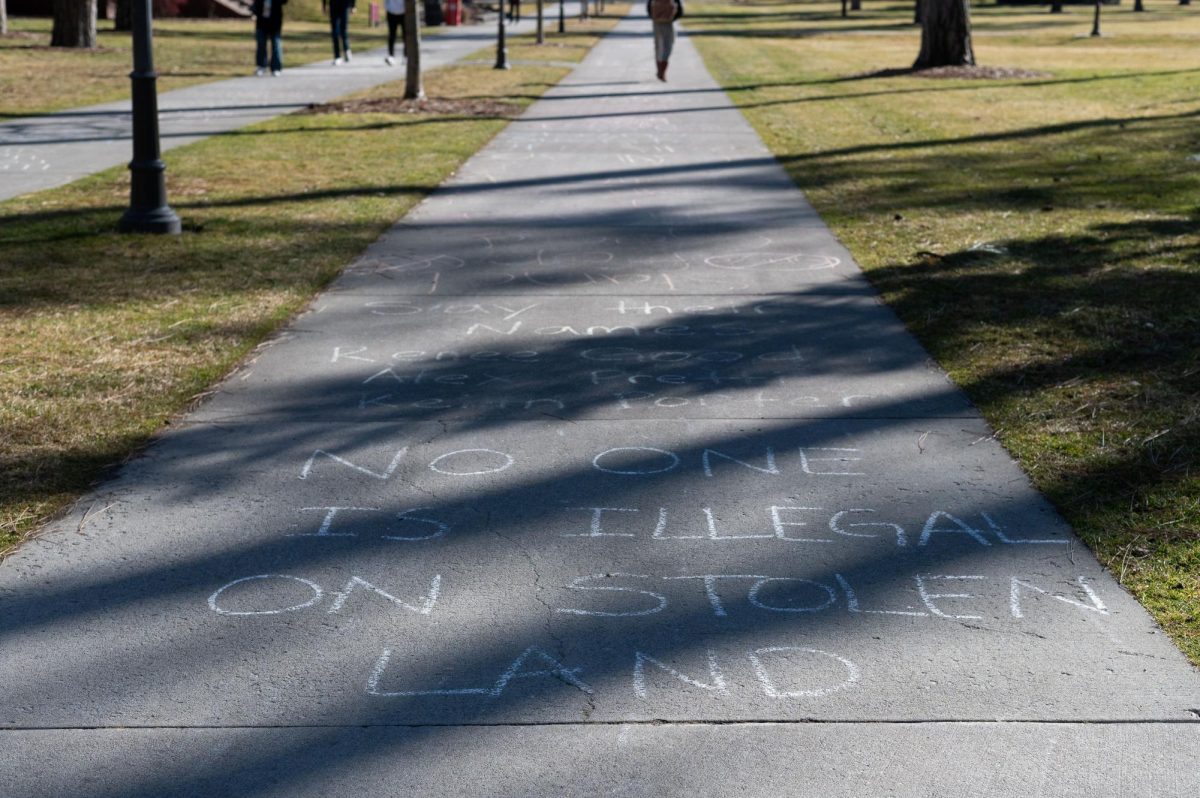
Whitworth University released a policy on Feb. 2 regarding what students can write chalk messages on the sidewalks and where. It states that there is to be no “protest chalking” outside of the interior side of the Hello Walk without prior approval from the assistant dean for student programs.
After the statement was released, a petition was created to repeal the policy.
“A new chalk policy was due to public response,” said Tim Caldwell, vice provost and dean of students, “I would really like to set up a policy that sets up ‘what are the expectations’ and reduce confusion.”
Caldwell talked to the student council to hear various student input. But student input doesn’t mean that it was decided by students.
“I know it was passed by the board … It was not a student decision, unfortunately,” said ASWU President, Abby Ruffcorn.
But Caldwell told a different story of the origins of the policy, saying, “The board was not involved.”
Protest chalking is allowed to be drawn on the southern side of the Hello Walk. This decision took visibility into account. “It’s heavily trafficked but also gives an option to avoid it,” said Caldwell.
Some students, including the president of the ‘Whitworth Students for Life’ club, Hunter Koss, are asking for further clarification of the language used in the ASWU statement. “I do plan to ask ASWU about it in more detail and just to clarify that they’re not going to tell our club that we can’t chalk anything, but I don’t think that will be a problem because the past couple of years we haven’t written anything, like, at all that was hate speech,” said Koss.
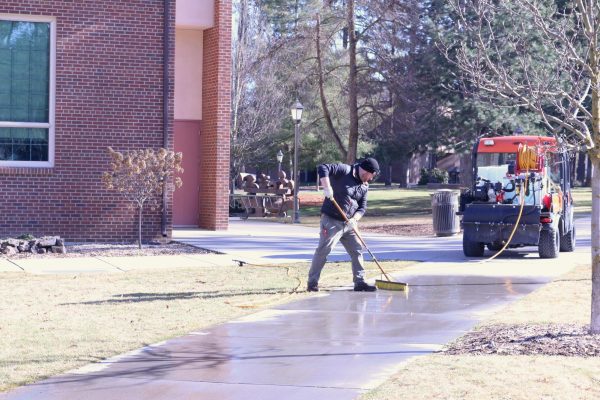
The Whitworth Student Handbook defines hate speech as “hate speech is speech that reflects the perceived inferiority of a targeted group by denying or belittling its humanity. It is directed at a person of a different identity group and includes references to his or her group’s differences with the intent to cause distress.”
“Basically, the way that they’re defining protest chalking: Messages intended to express political, social or ideological viewpoints. It does not apply to sidewalk chalk used to advertise student events, clubs or campus activities,” said Ruffcorn.
When asked if religious statements would qualify under ideological or social viewpoints, Ruffcorn responded, “Not to my understanding, but … I don’t even know.”
The petition, as of Mar. 4, has 144 verified signatures. Ruffcorn encouraged students to continue using their voices.
“Let me know so that I can relay that to Tim and Scott, because of course I want to do that,” said Ruffcorn, “I understand why people are frustrated because peaceful protest is beautiful and something that everyone should be allowed to do.”
Some students are on board with the policy, despite the expressed desire for clarification.
“Well, personally, I’m actually happy with the policy. I don’t really have any objections at all to it. I’ve seen a lot of different chalking things kind of get out of hand,” said Koss.
Whatever way students are reacting to the chalking policy, Caldwell and Ruffcorn are keeping their ears open for feedback.
“I don’t want them to feel like they’re not heard or seen or valued. And that’s my main priority,” said Ruffcorn.