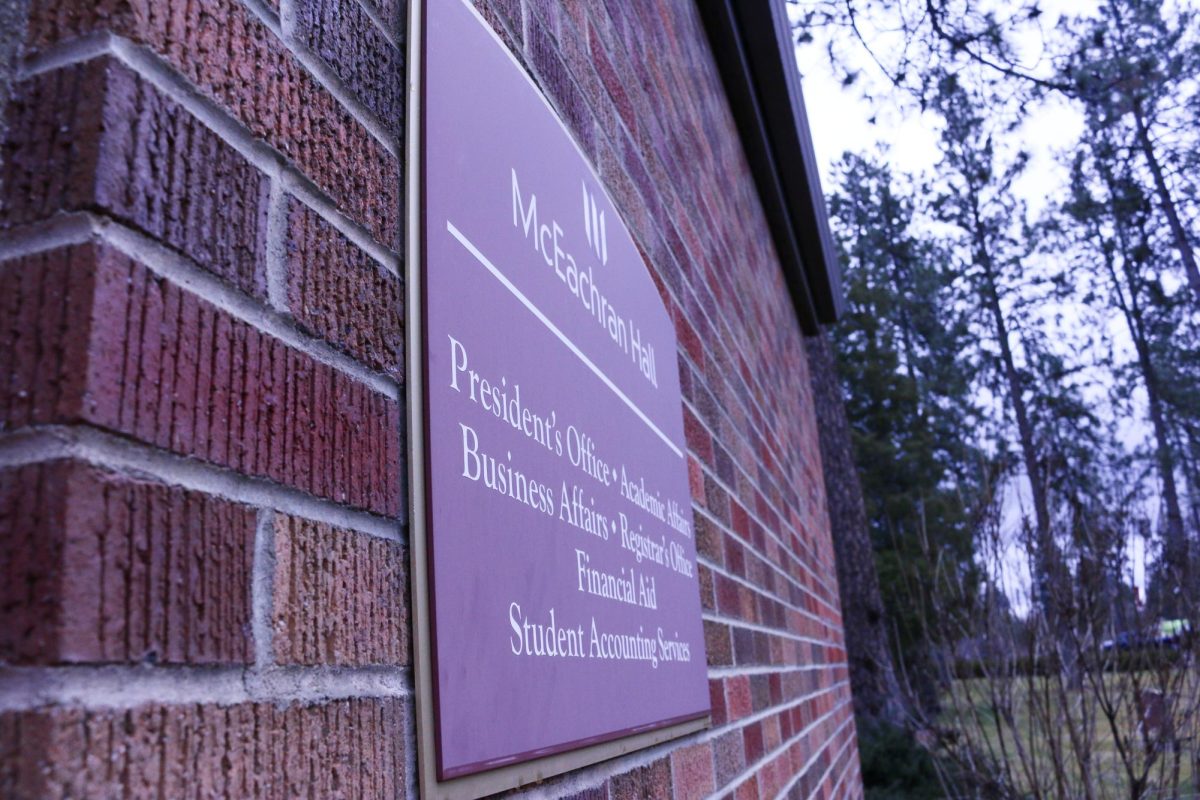
Whitworth was set to undergo an institutional evaluation by its agency to maintain its accreditation as a university on Wednesday, Oct. 1. This assessment is part of the regular seven-year review cycle mandated by the Northwest Commission on Colleges and Universities (NWCCU) for all member institutions.
“Accreditation affirms that Whitworth University meets the rigorous standards of quality and effectiveness,” says Nick McKinney, assistant provost for academic administration and global affairs. “Right now, this process is especially important because it allows us to demonstrate accountability to our students, our stakeholders and our broader community,” he adds.
What is Accreditation?
According to Whitworth University’s Institutional Accreditation page, accreditation indicates that a university meets or exceeds the criteria for institutional quality. Whitworth is a member of the NWCCU and has a status of “accreditation reaffirmed,” last determined on Jul. 24, 2018.
An institution must evaluate and outline its own mission, goals and achievements. The Commission then delivers analysis and recommendations for improvement from the accreditors. “We are currently in the Year Seven Comprehensive Evaluation stage. This involves compiling extensive evidence of institutional effectiveness—everything from student learning outcomes to fiscal stewardship and mission fulfillment,” says McKinney.
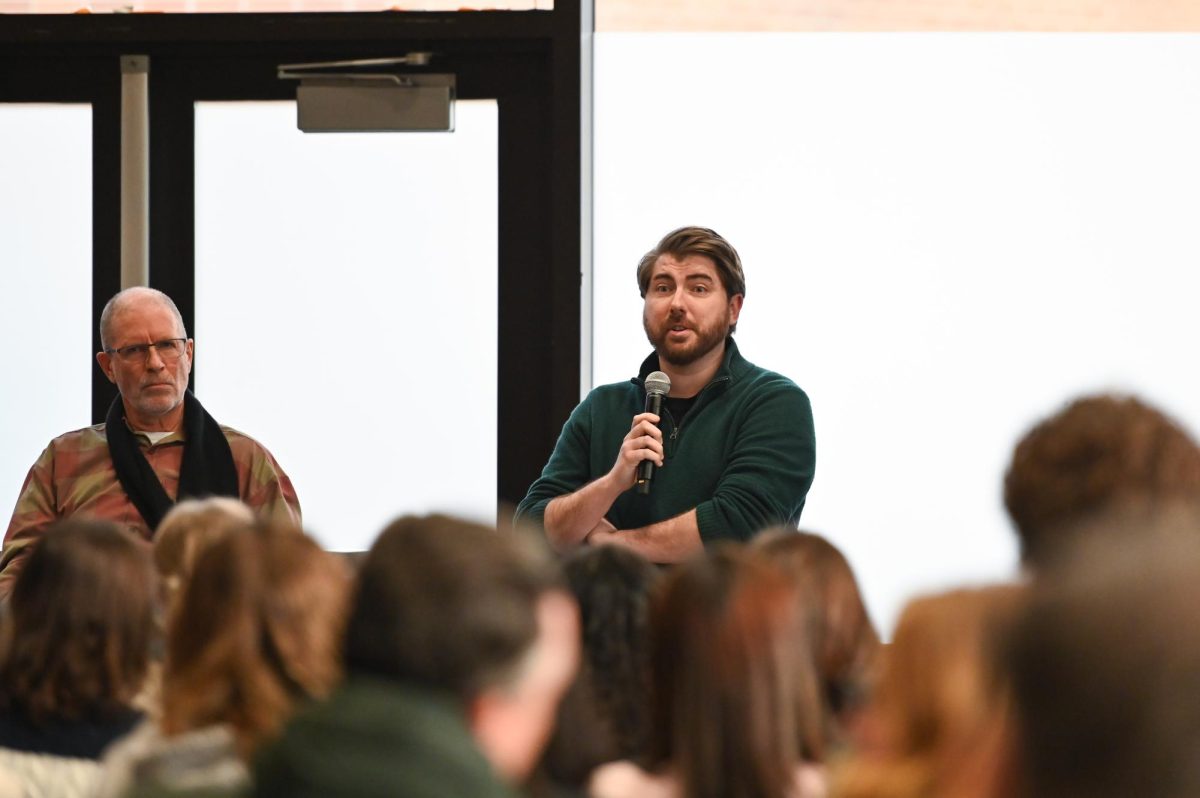
Chair Bruce Kusch, president of Ensign College in Utah, outlined the main purpose of the evaluating body’s visit. “We come to inquire, observe, learn, identify, verify, understand, conclude, recommend, commend and to help, and that’s the purpose of our visit,” he says, “The Northwest Commission on Colleges and Universities establishes standards of accreditation, and the purpose of our visit is to determine how Whitworth University is doing in terms of its efforts to comply.”
Student Forum with Accreditor Team
As part of the accreditation visit, Whitworth students had the opportunity to meet with the members of the evaluation commission during a Student Forum held on Wednesday, Oct. 1, in Weyerhaeuser Hall.
Kusch focused on the importance of student input. “Accreditation is really about the quality of education at an institution. The Northwest Commission has 160 colleges and universities like Whitworth, all kinds, all sizes, who are members,” he says, “We have certain standards. It’s like quality control, right? We are the quality control for education, and we do that by doing a peer evaluation, so that when you leave, you’ll have the skills you need to succeed.”
Other members of the team included Dr. Mark Smillie, a philosophy department chair at Carroll College in Montana, Dr. Christine Lawton, executive director of institutional effectiveness at George Fox University in Oregon, Dr. Glenn Smith, a retired vice president of student affairs and athletics at Westminster University and Gita Bangera, senior vice president of the Northwest Commission on Colleges and Universities (NWCCU).
The forum ran from 3 p.m. to 4 p.m. and gave students the chance to share their experiences at Whitworth. Some of the questions included what drew students to the university, what keeps them here and how the institution could improve.

When should we expect the resolution?
“Accreditation directly impacts nearly every aspect of the university. It reinforces Whitworth’s reputation for academic excellence and institutional integrity—qualities that families, employers and graduate schools all value,” says McKinney.
According to Bangera, the final accreditation results are expected to be made public in March. Accreditation teams stressed the importance of preserving accreditation status while the campus awaits the results.
“Financially, accreditation is essential for maintaining eligibility for federal and state financial aid, which supports many of our students. It also strengthens the university’s ability to secure grants and philanthropic funding,” McKinney says. “For students, accreditation ensures that credits transfer smoothly, degrees hold long-term value, and graduates are well-prepared for further education and professional advancement.”